EDINBURGH
flexibility.
A fast, two-hour storage asset built around wind congestion, transmission constraints and rapid-response grid services.

THE GRID
context.
The Edinburgh case is about network flexibility rather than long-duration solar shifting. Strong Scottish wind output can arrive when transmission capacity is already under pressure, creating periods where fast storage has unusually high system value.
Atlas therefore prioritised power and response speed over a longer energy duration. The asset is designed to absorb short congestion events, preserve headroom and switch quickly into balancing and frequency-response services.
Wind can arrive faster than the network can move it.
This profile compares an illustrative wind-output trace against a transmission-capacity ceiling. The useful storage window appears when renewable output rises above what the local network can comfortably transfer.
POWER FIRST
by design.
Dalry Flex deliberately favours high power, rapid cycling and flexible service stacking rather than a four-hour energy-shifting profile.
A DAY IN
operation.
Available wind generation rises while local demand remains low.
The system returns toward a neutral operating position as the constraint clears.
The facility responds rapidly to a short-duration grid frequency requirement.
Stored energy is released as evening demand tightens the system.
FROM SIGNAL
TO asset.
Atlas screening identifies a high-power flexibility opportunity rather than a long-duration shifting case.
Connection studies centre the design on a 275 kV interface and rapid-response services.
Planning, acoustic design and equipment procurement progress together.
Substation extension, foundations and cable routes move into construction.
Two-hour battery blocks and PCS equipment are installed and integrated.
The asset enters service with Atlas Flex managing constraint and ancillary-service dispatch.
FROM THE
field.
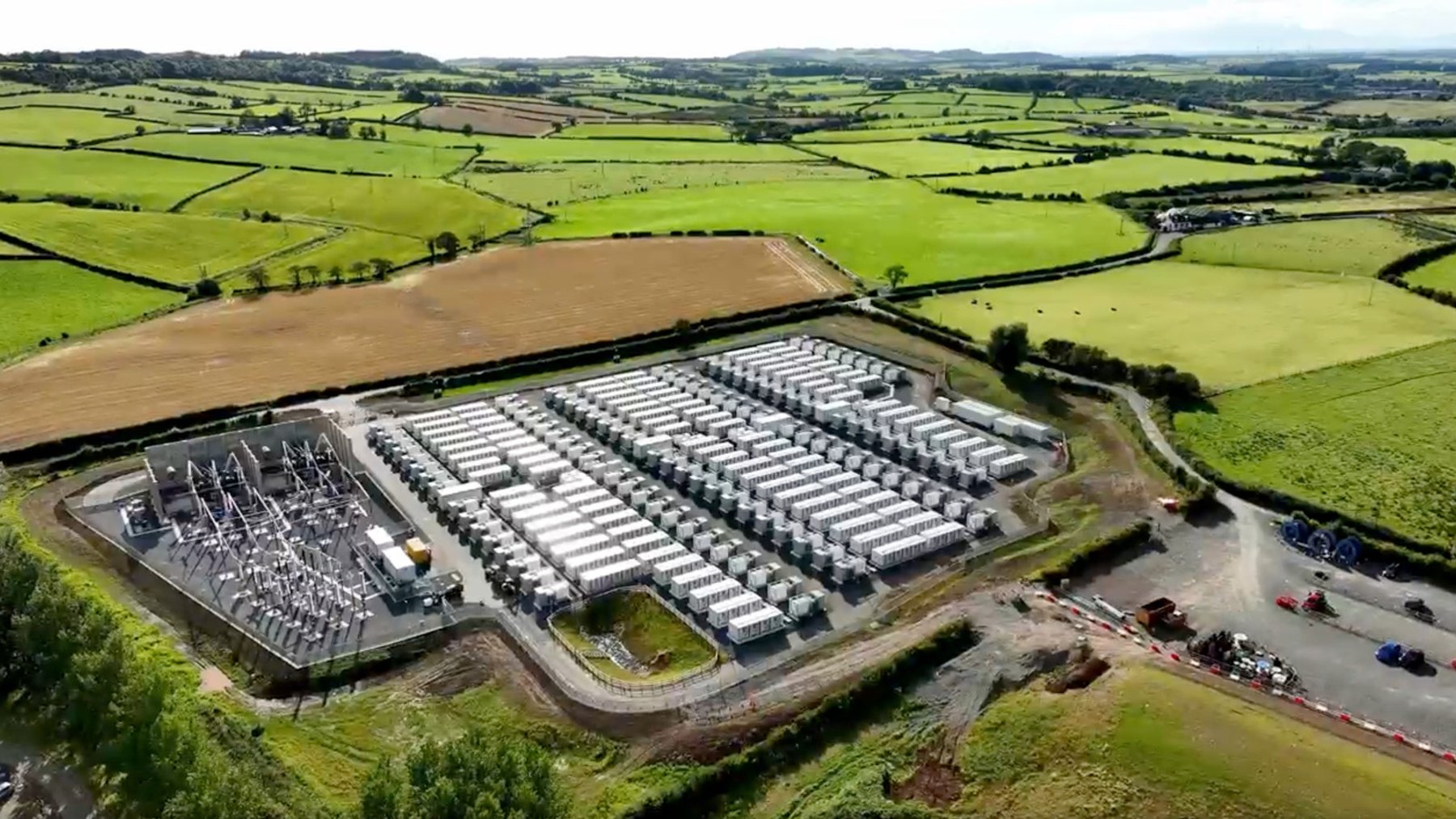
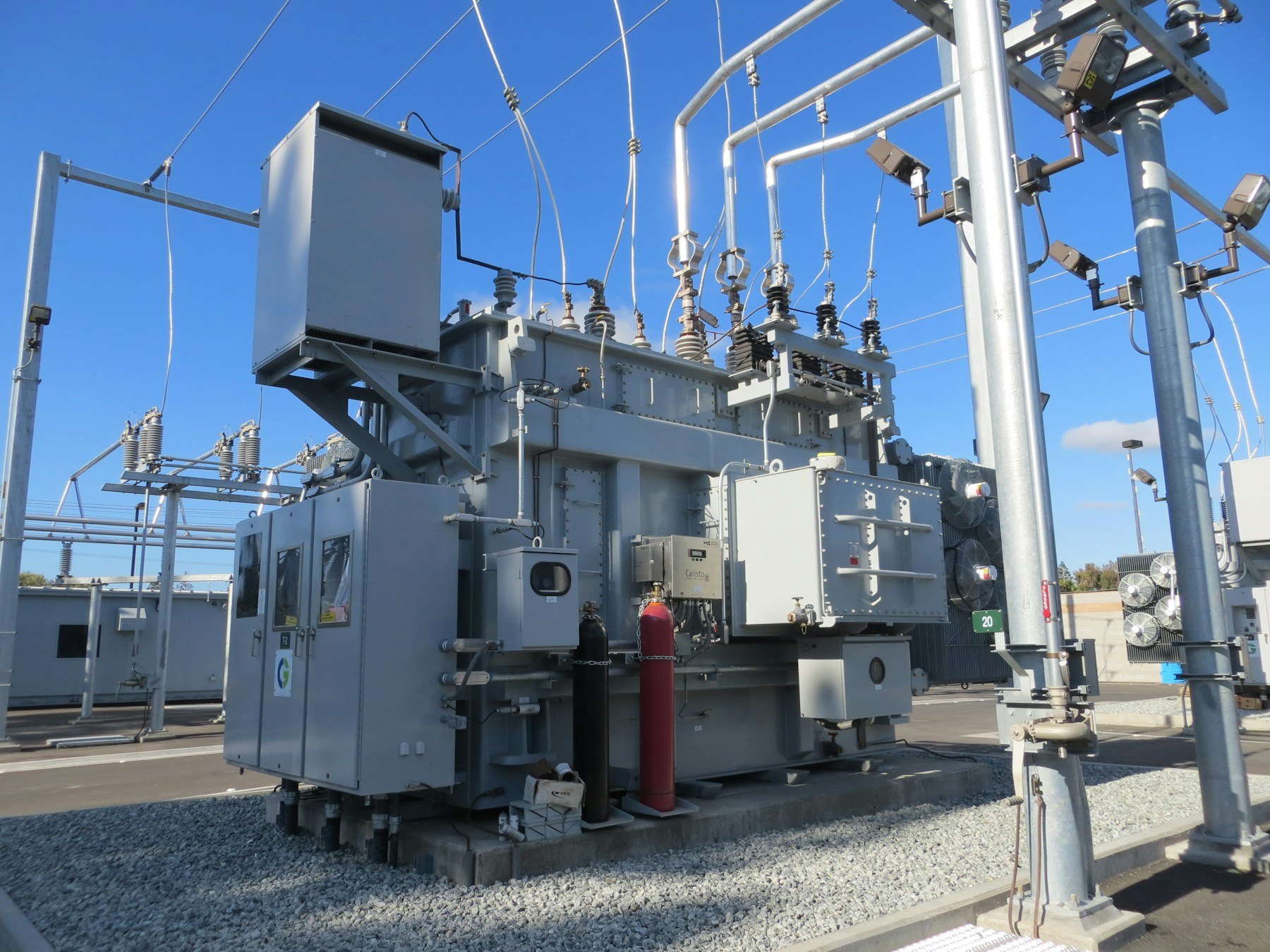
Site, grid and infrastructure context from the project location.


WHAT THIS
ASSET measures.
The metrics change with the job the asset is designed to do.
Project-specific operating measure for this asset and its grid role.
Project-specific operating measure for this asset and its grid role.
Project-specific operating measure for this asset and its grid role.
ATLAS,
project-specific.
Atlas Flex continuously weighs wind forecasts, constraint risk, state of charge and ancillary-service value. The goal is not simply to fill the battery; it is to keep the right amount of power available for the next network event.
Explore Atlas ↗