Independent energy storage
Energy starts somewhere physical.
Storage only matters in relation to generation and load. Each asset is developed around the renewable resource, network conditions and demand it is built to serve.
Auren builds battery infrastructure that shifts clean energy through time — from the hours it is abundant to the hours it matters most.

Renewables can generate more electricity than the grid needs at noon and less than it needs in the evening. Storage turns that mismatch into usable capacity.
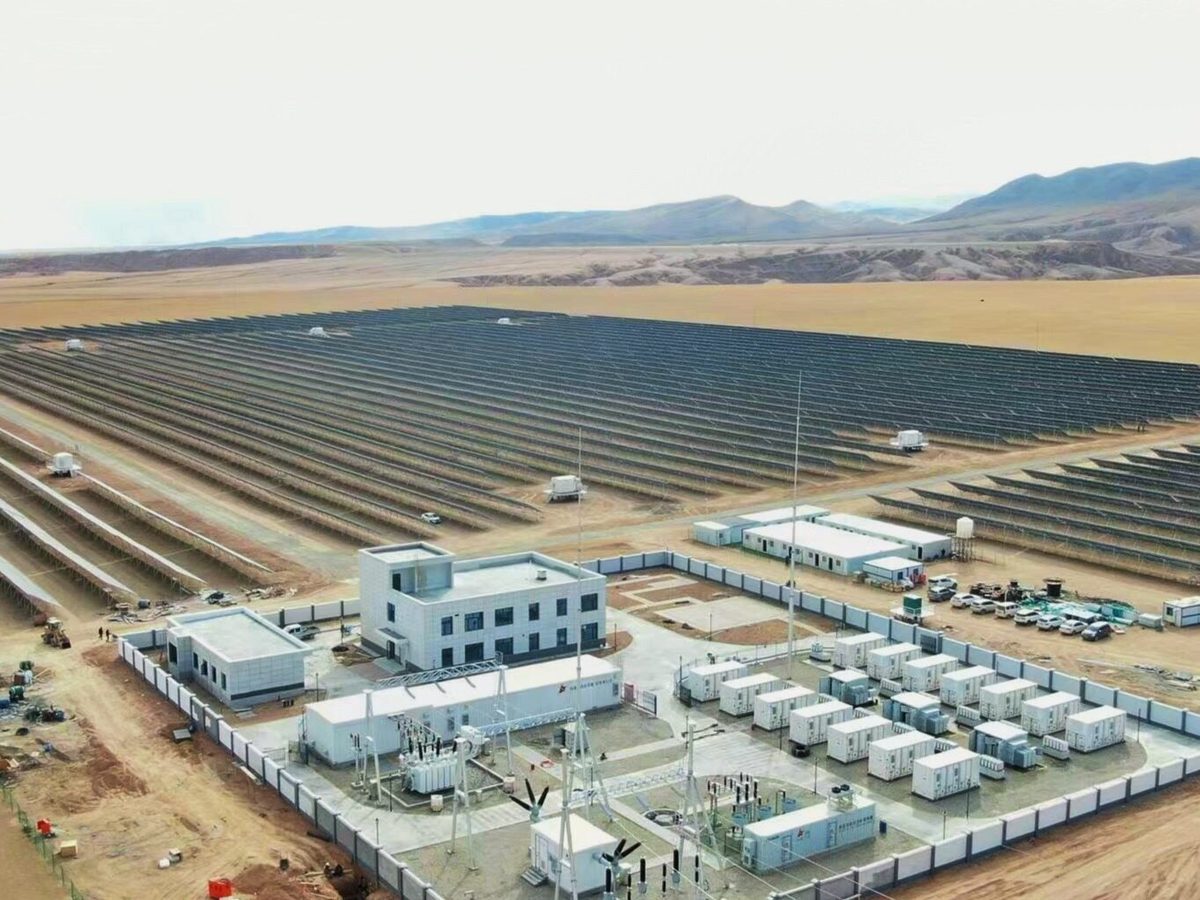
Storage is physical infrastructure: construction, hardware, people and the grid connections that bring each asset into operation.
Storage only matters in relation to generation and load. Each asset is developed around the renewable resource, network conditions and demand it is built to serve.

Commissioning, inspection and control systems keep each asset safe, available and responsive throughout its operating life.
Atlas is Auren's site intelligence layer. It combines grid constraints, renewable output, demand patterns, interconnection signals and market conditions to identify where storage can create the most system value.
Explore Atlas →Locate congestion, capacity scarcity and renewable curtailment before project origination begins.
Compare demand windows, dispatch value and revenue pathways across candidate sites.
Rank projects by connection potential, system need, land context and development readiness.
Use the same system context to inform charging, holding and dispatch once assets are online.
Each Auren project begins with a specific grid constraint: renewable curtailment, peak demand, connection bottlenecks or the need for fast-response capacity.

Auren's portfolio is shaped by different grid problems, not a single repeatable site type. Each market has its own reason for storage.
Auren is measured by infrastructure delivered, not sustainability language. Portfolio scale, project maturity and grid value become visible proof of execution.
Surplus energy is captured when it is available, held through lower-value hours and dispatched when demand or grid conditions call for it.