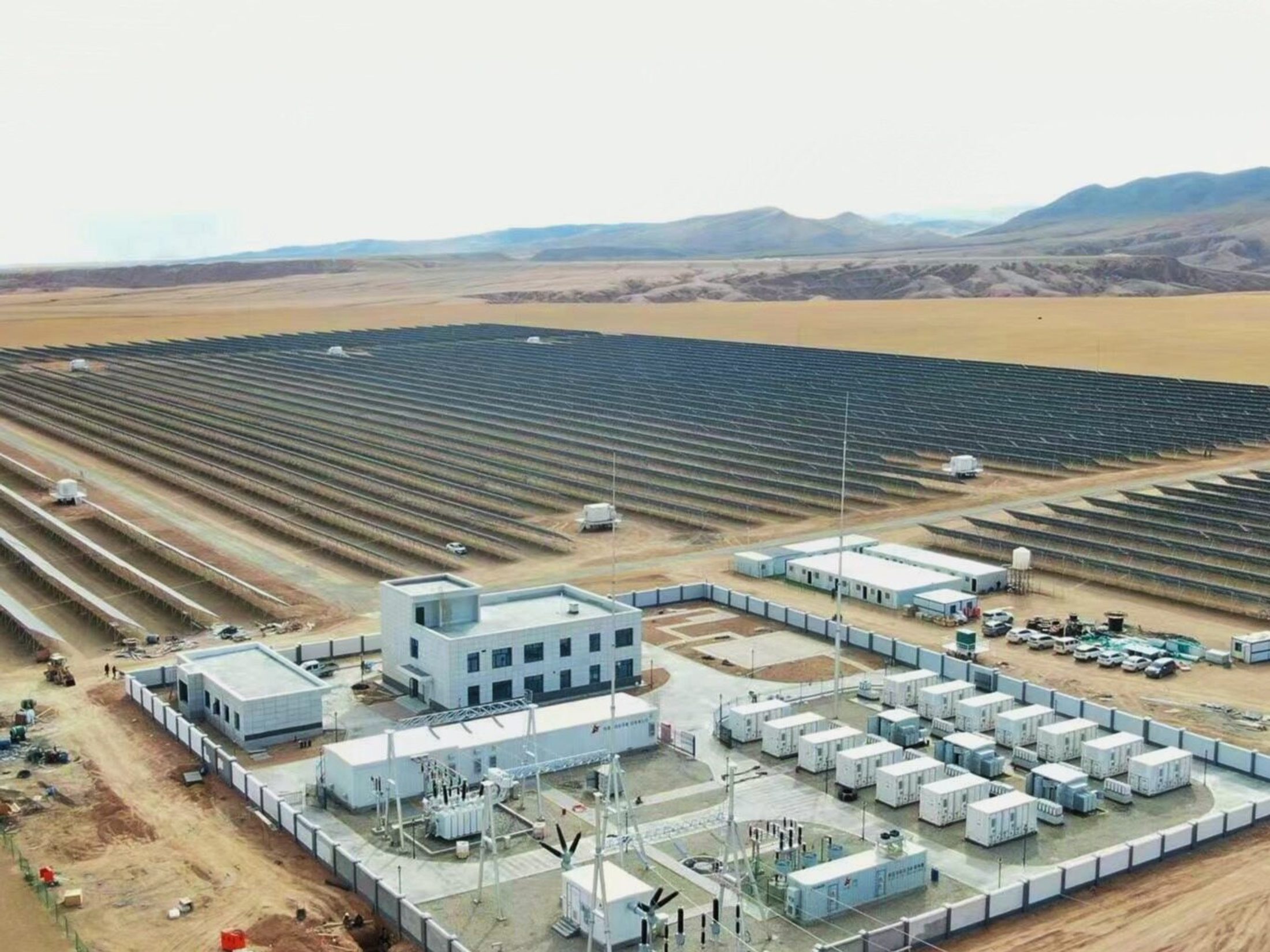
NAIROBI
reserve.
A four-hour urban reserve designed around Nairobi's evening demand ramp, solar contribution and the need for dependable capacity after sunset.

THE GRID
context.
Nairobi East is not primarily a solar-farm storage project. Its development thesis starts with the load curve: a growing urban system where demand remains strong into the evening after distributed and utility solar contribution begins to fall.
Atlas models the asset as a dependable reserve close to demand. Energy duration matters more here than extreme power, so the concept uses four hours of storage to cover a broader evening window and retain contingency capacity.
Evening demand stays high as solar contribution disappears.
The Nairobi visualisation separates total demand from solar contribution. The widening evening gap represents the capacity the proposed storage asset is designed to help cover.
DURATION FIRST
by design.
Nairobi East uses four hours of storage to cover a broader evening window while retaining contingency capacity close to urban demand.
A DAY IN
operation.
Atlas holds reserve while solar contribution rises into the system.
The asset charges without competing with the evening reserve requirement.
State of charge is protected as urban demand remains elevated.
The battery supplies sustained support through the late peak.
FROM SIGNAL
TO asset.
Atlas identifies a demand-side flexibility case near Nairobi rather than a generation-side congestion case.
Candidate sites are ranked by proximity to substations, land constraints and urban load.
The 132 kV concept and protection requirements enter detailed review.
Site studies and local engagement shape the development envelope.
Commercial structure and procurement assumptions move toward final investment decision.
Illustrative programme, subject to development approvals.
FROM THE
field.
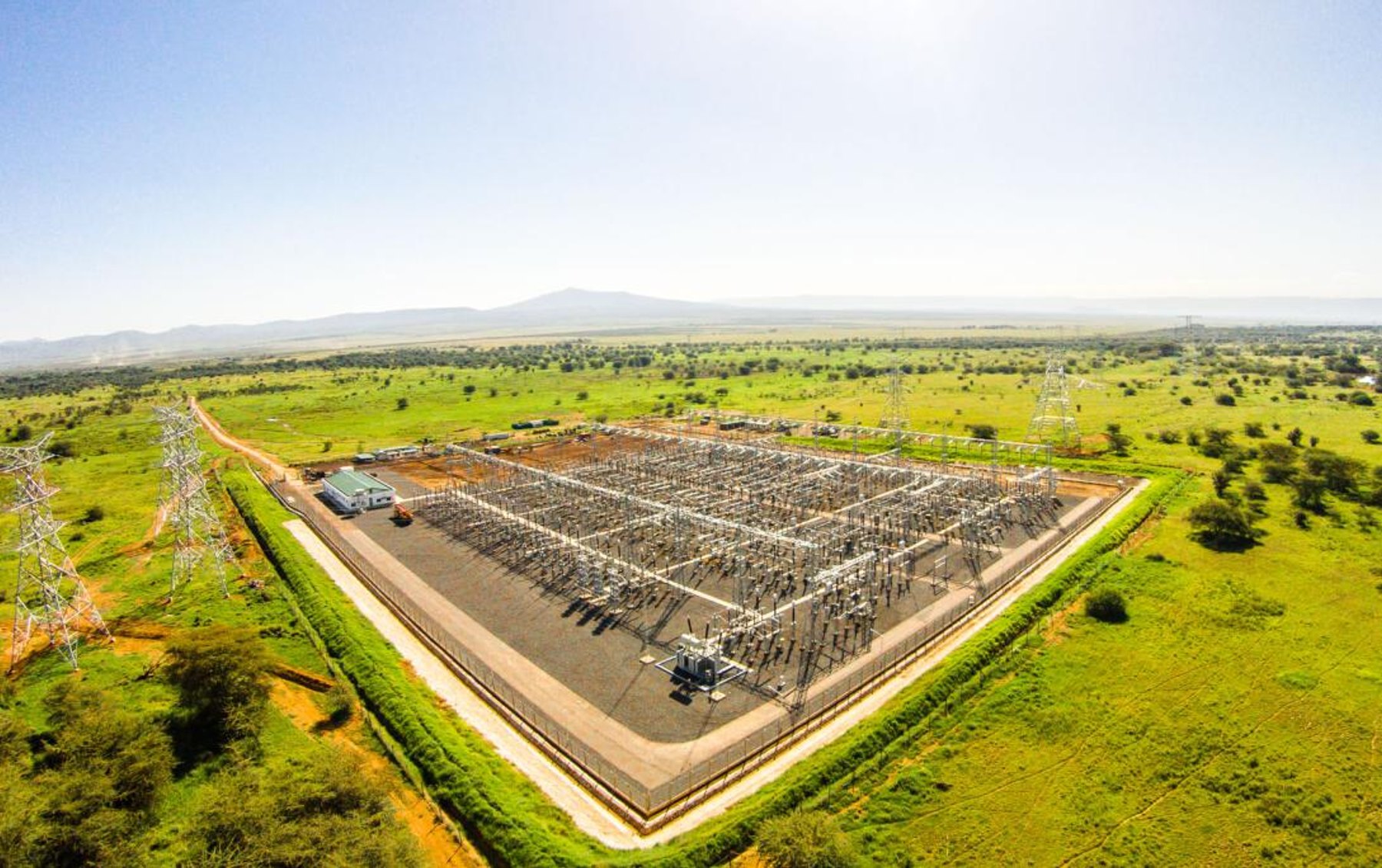
Site, grid and infrastructure context from the project location.



WHAT THIS
ASSET measures.
The metrics change with the job the asset is designed to do.
Project-specific operating measure for this asset and its grid role.
Project-specific operating measure for this asset and its grid role.
Project-specific operating measure for this asset and its grid role.
ATLAS,
project-specific.
Atlas Reserve weighs the evening load ramp, available state of charge, local network conditions and reserve requirements to keep dependable capacity close to demand.
Explore Atlas ↗